The Natural Rug Company's Complete Beginner's Guide to Natural Rugs for Every Room

Updated: Aug 21
I've spent fifteen years helping people choose natural rugs, and the question I get asked most often isn't
"which material is best?"
it's
"where do I even start?"
So I wrote this guide.
Think of it as everything I'd tell a good friend over a cup of tea: which fibres work where, how to get your sizing right, how to choose a border that makes your rug feel intentional rather than incidental, and which rugs I'm genuinely excited about right now.
Natural rugs; whether sisal, seagrass, jute, wool, or the wonderful sisal-wool blend we call sisool, bring something that synthetic rugs simply can't replicate: a living quality, an honesty of texture, and a connection to the natural world that makes every room feel more grounded. They also age beautifully, developing character over time rather than just looking worn. Every rug we make here is handcrafted in the UK, with borders hand-finished and padded with felt for that distinctive, luxurious thickness underfoot. So when you invest in one, you're getting something genuinely built to last.
Ready? Let's go room by room.
What's the Best Natural Rug for a Living Room?
The living room is where a rug does the most work — emotionally and practically. It zones your seating, anchors your furniture, and sets the entire mood of the space. My first rule: don't go too small. A rug that only sits under the coffee table and leaves your sofa legs floating on bare floor looks timid and unfinished. Ideally you want at least the front legs of your sofa on the rug, or better yet, tuck it generously underneath. Extend it wide enough that the whole seating arrangement feels held.
For material, the living room gives you the most freedom. Sisal is my go-to workhorse — it's exceptionally hardwearing, available in a gorgeous range of tones and weaves, and holds up beautifully to everyday family life. Wool is the luxury choice: soft underfoot, naturally resilient, and endlessly versatile in terms of pattern and colour. Sisool (our blend of sisal and wool) is a brilliant middle ground — it has that distinctive textural character of sisal but with a softer, warmer feel. Seagrass is wonderful too, with its natural sheen and innate resistance to staining, though it's a bit firmer underfoot. For a comprehensive breakdown of each fibre's character and benefits, our Natural Rug Fibre Guide is a great place to start.
When it comes to styling, think about what you want the rug to do: is it the anchor that holds a neutral room together, or is it the statement piece that draws the eye? A textural, natural-toned sisal works brilliantly as the former — letting your furniture and accessories do the talking. A beautifully patterned or coloured wool rug can be the focal point around which everything else is arranged.
For detailed living room sizing advice, visit our Living Room Rug Size Guide.
Living Room Spotlight

This is a rug I absolutely love recommending for urban living rooms, apartments, and anywhere you want to bring the outside in without sacrificing sophistication. The Sisal Divine weave in Moonlight Mist has a cool, restful quality — it works as a soothing counterpoint to the busyness of life. The double border is the real magic here: a Wool Felt Marl Chartreuse outer in golden sand, paired with a Cotton Herringbone Midnight inner in deep navy. It's an unexpectedly bold combination that works beautifully with dark green velvets, warm timbers, and panelled walls.
From £200.

If your living room leans more classic or if you're working with a lighter, more neutral palette, this is a stunning choice. The 55% Wool, 45% Linen weave in Cream has a warm, heritage quality with a beautifully tactile tufted finish. The Leather Bottle border — a rich bottle green — adds old-world elegance and grounds the whole piece. This is a rug that looks like it's always belonged.
From £245.

For a living room with more personality and a love of colour, this is the one. The 100% Wool Aura weave in Essence is an artist's palette — an energetic interplay of complementary tones that genuinely lifts a room. The Cotton Chenille Arabica outer border (that beautiful nutty brown) paired with a Linen Twill Seville inner (Andalucian orange) makes this a rug that's hard not to love.
From £175.
What's the Best Rug for a Hallway?
The hallway is one of the most overlooked opportunities in interior design, and it's a room I always get excited about. A well-chosen runner can completely transform the feel of a home from the moment you step inside — it creates immediate warmth, defines the flow of the space, and sets the tone for everything beyond.
For hallways, durability is the primary consideration. This is your highest-traffic area, and the rug needs to handle it with grace. Sisal and wool are my top recommendations — both are rated for heavy domestic use, look better as they age, and are available in runner formats. Coir is a brilliant option for particularly high-traffic halls or if you're near the front door and want something with real robustness. What you want to avoid is anything too delicate — jute is wonderfully soft and beautiful, but I'd save it for the bedroom rather than a busy hallway.
From a styling perspective, the key is proportion. Your runner should feel generous — wide enough to walk along without consciously keeping to a straight line (allowing for a natural sway), and ideally running the full length of the passage. A runner that's too narrow, or that stops abruptly, always looks like a missed opportunity.
For runner sizing and hallway advice, visit our Hallway Runner Size Guide.
Hallway Spotlight

This is one of those rugs that makes an entrance hall feel genuinely designed. The 100% Wool Aura Beam weave is a refined, versatile stripe that works in both contemporary and traditional homes. The Leather Admiral border — deep navy — adds a crisp, elegant edge that anchors the whole piece. I love this in a wide hallway with a dark painted console and some serious artwork. Available in runner sizes.
From £220.

For a warmer, more organic feel, this is a beautiful choice. The Sisal Malawi Coconut weave is a warm beige with an honest, resilient texture — exactly what you want underfoot as you come through the door. The Linen Twill Seville border in Andalucian orange is a brilliant touch of warmth and personality. One of our most popular hallway rugs and it's easy to see why.
From £160.

If you prefer a purer, cooler palette and want the texture to do all the talking, this is the one. The Grand Herringbone weave in Pearl is clean, contemporary, and endlessly versatile. The Linen Ecru border keeps it beautifully understated. This works brilliantly in minimal, Scandi-inspired interiors as well as classic white painted hallways.
From £155.
What's the Best Rug for a Dining Room?
The dining room is where sizing really matters most, and it's where I see the most common mistakes. The rule is simple but non-negotiable: your rug must be large enough that when diners pull their chairs back to sit down or stand up, all four chair legs remain on the rug at all times. If the back legs slip off the edge, chairs will catch and snag with every movement — which is both annoying and a trip hazard. As a guide, your rug should extend at least 75cm beyond the edge of your table on all sides.
For material, the dining room demands something that can handle spills gracefully. Seagrass is genuinely wonderful here — its non-porous fibres have a natural resistance to staining, and its subtle sheen gives a polished, considered look. Sisal is another excellent choice, especially for heavier use. I'd tend to avoid jute in the dining room — it's simply too delicate for the inevitable splashes and spillages.
One bonus of a natural rug under your dining table that people don't always think about: it dramatically dampens the sound of chairs scraping on hard floors. If you have stone or wooden floors, a well-sized rug here will make your whole room feel quieter and more intimate.
For dining room sizing specifics, visit our Dining Room Rug Size Guide.
Dining Room Spotlight

This is my first recommendation for a dining room, full stop. Seagrass in the Basketweave pattern has a warmth and subtle complexity that looks wonderful under a table and ages beautifully with use. The Linen Vanilla border keeps things light and fresh — perfect for rooms with pale floors, natural timber, or rattan furniture. Stain-resistant by nature and practical in the extreme.
From £110.

For dining rooms with more warmth in the palette — think rich timbers, warm wall colours, brass fittings — this is a magnificent choice. The Sisal Oriental weave in Copper has a glowing, burnished quality, and the Linen Coffee border ties it all together with quiet sophistication. This is a rug that looks exceptional under a round pedestal table.
From £200.

If you want something with real textural depth and a statement border, look at this one. The Big Boucle weave in Coco has a wonderful tactile quality, and the Leather Camel border adds a sophisticated edge that will only improve with age. The leather patinas over time, making this rug feel increasingly personal and unique to your home. A great choice for a dining room that takes its design seriously.
From £155.
What's the Best Rug for a Bedroom?
The bedroom is where you can afford to be a little more gentle in your choices — and where the softness of the material really comes into its own. Think about what you want to feel when you step out of bed on a cold morning. That's the most honest brief a bedroom rug will ever get.
Wool is my first recommendation for a bedroom, without hesitation. It's soft, naturally warm, quiet underfoot, and creates that sense of cosiness that a bedroom should have in abundance. Jute is another beautiful option for bedrooms — it's the softest of the plant-based fibres, with a honey-coloured tone that harmonises effortlessly with any interior style. It's not ideal for high-traffic areas, but the bedroom is exactly the right setting for it. Sisool is also a wonderful bedroom choice, offering that distinctive textural character alongside a softness that pure sisal doesn't quite achieve.
For positioning, think generously. A rug that runs from the foot of the bed to a margin you can step onto when you rise, and extends around either side so both you and your partner have something soft to land on — that's the ideal. If budget is a consideration, a pair of smaller runners on either side of the bed is a perfectly elegant solution.
For bedroom sizing guidance and visual examples, visit our Bedroom Rug Size Guide.
Bedroom Spotlight

This is a bedroom rug that makes you smile every morning. The Wool Audrey weave in Sunrise has a quiet, luminous quality — warm and welcoming without being overbearing. The Cotton Soft Coral border adds a gentle blush of personality that works beautifully with natural linens, warm whites, and rattan furniture. Soft underfoot in the way only wool truly is.
From £200.

For a more considered, grown-up bedroom palette, this is a beautiful choice. The Mistral Skies weave has a cool, atmospheric quality — blues and greys that speak of open skies and calm mornings. The Leather Café border grounds it with a warm, earthy tone. This is a rug for a bedroom that's thoughtfully designed.
From £200.

If your bedroom aesthetic is a little more creative — layered, textural, with an eye for the unexpected — this is the one. The Paper Layer weave has a graphic, collage-like quality that feels modern and artistic. The Linen Squirrel border is a soft, earthy tone that lets the rug's character breathe. A genuinely special bedroom piece.
From £200.
What Border Should I Choose For My New Rug?
This is one of my favourite questions, because the border is where you make the rug truly your own. It's the frame around a painting — and just like a frame, the right choice can elevate everything, while the wrong one can diminish it.
Here's how I think about it:

Cotton Herringbone is my most-reached-for border, and with good reason. The timeless chevron pattern has an energy to it — it gently guides the eye along the length of the rug, which is particularly effective on runners. Paired with a boucle sisal weave, it creates a beautiful textural contrast: the softness of the herringbone against the robustness of the sisal. It's available in a wonderful range of colours, so whether you want a dynamic, contrasting splash — think a deep navy or rich ruby — or a more muted accent that lets the rug material speak louder, you'll find what you need here.

Linen Twill is my recommendation when the room calls for softness. Linen softens over time, developing a lovely lived-in quality that frames a rug rather than demanding attention from it. It's the ideal partner for a wool rug — both materials having a similar natural warmth and gentle character. The colour range is extensive, and shades like Seville (that gorgeous Andalucian orange) or Slate make for a particularly beautiful result.
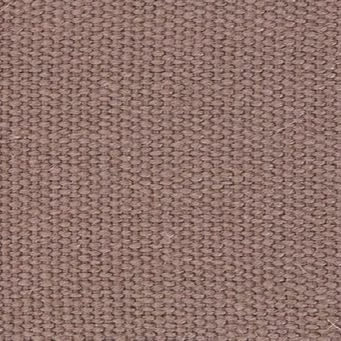
Linen Basketweave brings a more rustic, artisanal quality — brilliant for country interiors, stone floors, and spaces where the natural, handmade aesthetic is part of the story. Linen Boucle, by contrast, reads as more contemporary and modern — cleaner, quieter, and particularly good in minimal or Scandi-influenced spaces.

Leather borders are genuinely special, and I don't say that lightly. They're a statement from day one, and they become even more remarkable over time — the leather patinas with age and use, developing a richness and uniqueness that no other border can replicate. In a busy home or a dining room where the rug takes significant wear, leather is actually a highly practical choice too: it's extremely hardwearing, easy to wipe clean, and only improves with use. Heritage Leather pairs beautifully with sisal for a luxurious plant-fibre-meets-natural-hide combination. Vintage Leather alongside jute is one of my favourite combinations of all — it creates something that feels like genuinely refined taste.
For the full range of nearly 200 border options, explore our Border Guide.
The Final Material Guide
Below is a final cheat sheet for you. I have it printed out and stuck on my office whiteboard and it tells you quickly, at a glace, which materials are best for what use case.
Now that you know what material you want and what border, the next big question is:
What Size Rug is Best? A Beginner's Guide To Rug Sizing For Your Home
Getting the size right is the single most important decision you'll make — more important than colour, more important than material. A beautiful rug in the wrong size looks wrong. A simple rug in exactly the right size looks considered and intentional.
My practical advice before ordering: mark out your chosen size on the floor using masking tape or string, and live with it for a day or two. It costs nothing and has saved many people from sizing regret.
If you can, fold a blanket or dust sheet to your intended dimensions and lay it in place — it's the most effective way to understand how a rug will feel in the space before it arrives.
Once you've got the measurements that feel right, you can explore whether a standard size or something bespoke is best for you.
For room-specific sizing guidance, including visual examples: our Rug Size Guide hub contains individual guides for the living room, dining room, bedroom, hallway, and staircase.
At The Natural Rug Company we offer the following sizes as options:
Bespoke sizing. Here's something I'd encourage you to genuinely consider: if none of the standard sizes are quite right for your room, every single one of our rugs can be made to any size you like, in whole centimetres. There's no premium for this — the price works out the same as our standard sizing, because every rug we make is built to order anyway by our skilled UK workshop. They take 3–4 weeks whether you're ordering a standard size or a completely bespoke one. If your dining table or hallway calls for a very specific dimension, please don't compromise.
Use our Rug Designer to specify your exact size, choose your material, and select your border — it's genuinely one of the best tools we have for helping you visualise your finished rug before you commit.
A Note on Craftsmanship
Every rug in this guide is handmade in the United Kingdom. When your order arrives, your rug will have been individually measured and cut, with its borders hand-worked and each side padded with felt — giving that distinctive depth and evenness of surface that you simply don't find in off-the-shelf rugs. The corners are hand-mitred, and every rug is signed off by the craftsperson who made it before it leaves our workshop. We've been doing this since 2006, and it's something we're enormously proud of.
If you have any questions about which material, border, or size is right for your space, please don't hesitate to get in touch — it's genuinely what we're here for.
Final Thoughts
I hope this guide has helped you. I've put a lot of my experience into it and picked out some rugs that I really love. If it has helped, please reach out and let me know. If there's something I've missed, I'm happy to answer an email on the topic, just reach out to me directly on:
Caroline


Comments